









The Commission on Higher Education in Bicol (CHED-5) has capacitated student support systems in higher education institutions (HEIs) by equipping guidance associates and other student support personnel with essential mental health, psychosocial, and intervention skills.
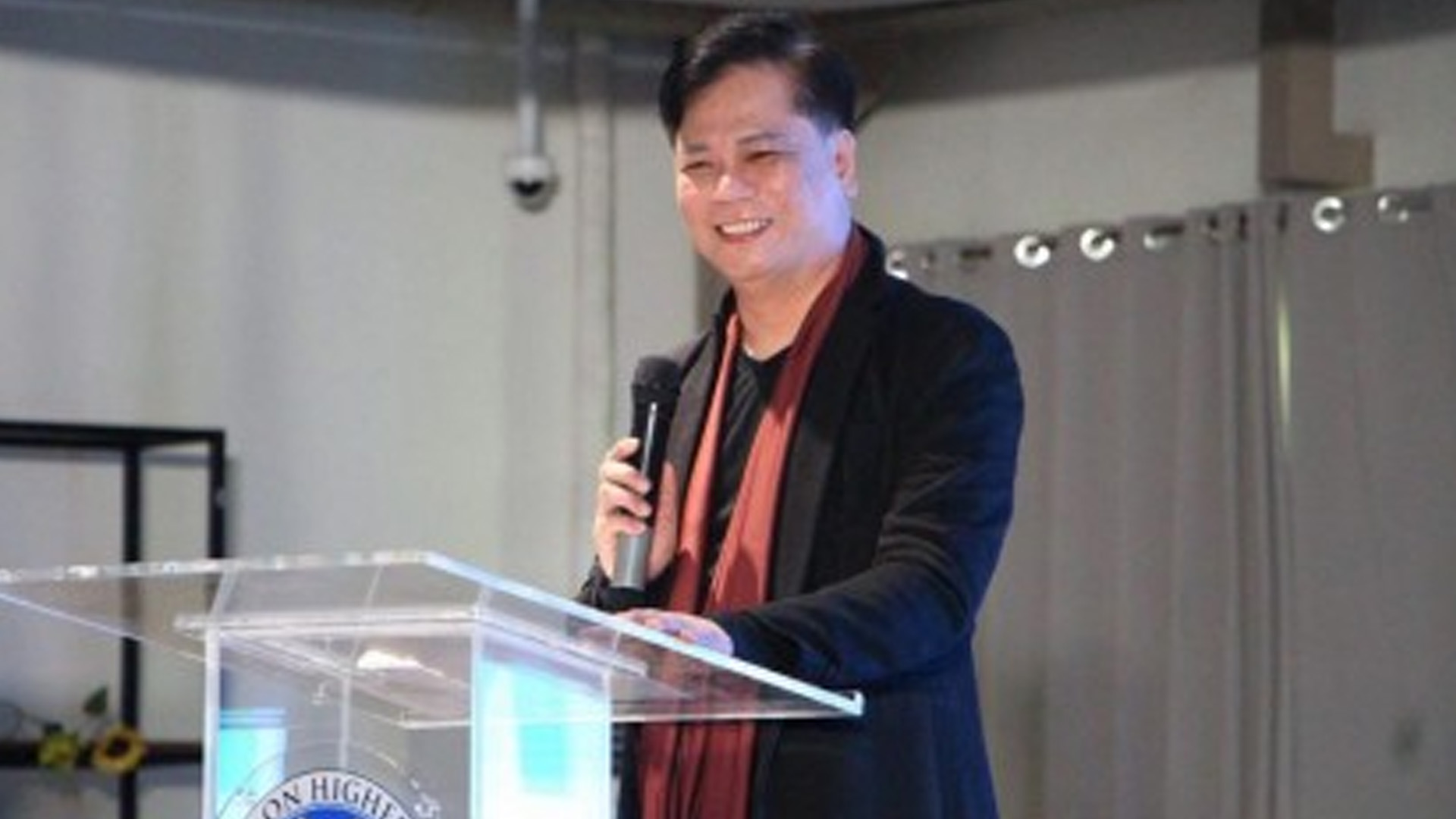
In an interview on Wednesday, CHED-5 Bicol Director Dr. Demetrio Anduyan Jr. said Project GALING (Guidance Associates Leadership and Intervention Training for Nurturing Growth), a capacity-building and systems-strengthening initiative, was developed in response to the growing demand for student guidance and mental health services.
“We recognize the increasing need for student guidance and mental health support, but the availability of licensed guidance professionals remains limited,” Anduyan said.
Anduyan said the two-day training gathered 151 participants from 117 higher education institutions across the Bicol Region.
These included 44 HEIs in Albay with 62 participants; 39 HEIs in Camarines Sur with 49 participants; 18 HEIs in Sorsogon with 21 participants; eight HEIs in Masbate with 10 participants; six HEIs in Camarines Norte with seven participants; and two HEIs in Catanduanes with two participants.
He said the limited number of guidance counselors creates a gap in student support services, leaving some institutions without enough licensed professionals to attend to students who need guidance and psychosocial support.
“Project GALING seeks to equip them with foundational helping skills, mental health literacy, listening and intervention techniques, ethical awareness, and proper referral mechanisms,” he said.
He added that they will not replace registered guidance counselors or other licensed professionals. Instead, they will serve as responsible frontliners who can provide appropriate initial support and know when and where to refer students for professional intervention.
“It is to ensure that they are competent and responsible first-line support personnel while professional guidance and mental health services remain available for concerns requiring specialized intervention. We therefore need to strengthen the people who are already within our institutions and are often closest to students. We want them to be able to listen without judgment, recognize warning signs, provide appropriate initial assistance, observe professional boundaries, and make timely referrals.”
Anduyan said college students in the region commonly face academic pressure, financial difficulties, family issues, anxiety, loneliness, bullying, discrimination, relationship problems, adjustment difficulties, and uncertainty about their future careers.
“But we also have to recognize that some concerns are not immediately visible. Behind an absence, a failing grade, or a behavioral concern may be a young person who simply needs someone to listen without judgment,” he said.
The training covers mental health literacy, helping skills, intervention techniques, ethical responsibilities, referral systems, and institutional action planning to help participants respond appropriately to students in need while maintaining professional boundaries.
Anduyan said they envision Project GALING as a continuing regional initiative, whose sustainability will depend on the evaluation of the initial implementation.
CHED Bicol will continue to provide technical guidance and coordination to participating institutions while encouraging HEIs to strengthen their own student support systems and establish partnerships with qualified mental health professionals and appropriate agencies.
“We want the participants to bring the learning back to their institutions and translate it into stronger student support policies, referral systems, and services,” he added.
Anduyan also distinguished Project GALING from Project GAYON (Guidance Assistance to the Youth Online), another CHED-5 initiative aimed at expanding access to guidance services through technology.
“The limited number of registered guidance counselors should never mean the absence of support for our students. We must empower those who are there, strengthen the system around them, and ensure that every student who needs help has a pathway toward appropriate assistance,” he said. (PNA)