


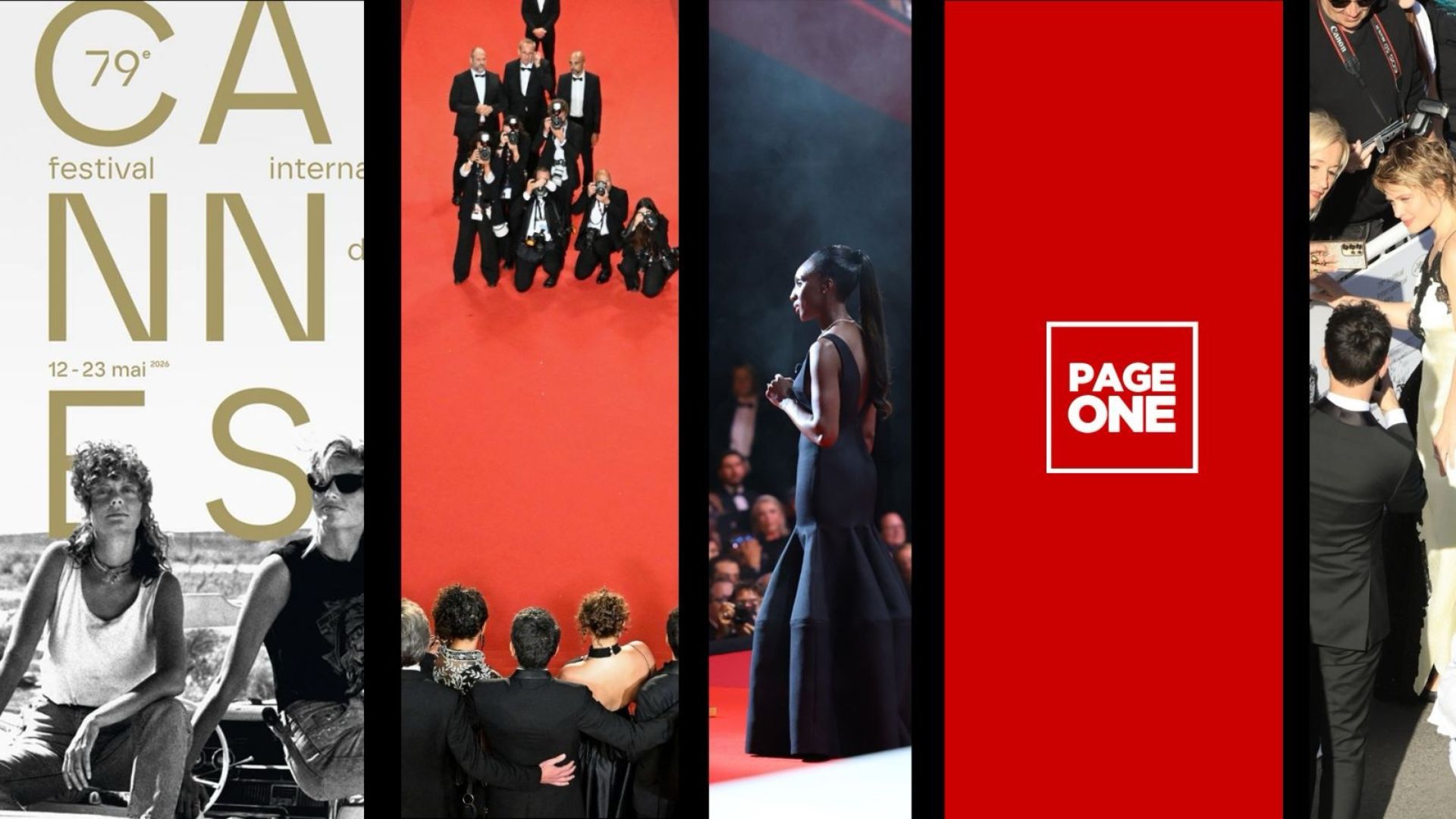







Every May, the French Riviera stops being a coastal city and starts being a stage. The Cannes Film Festival now in its 79th edition, returns to La Croisette in 2026 with its familiar promise: world-class cinema, an enviable guest list, and a red carpet that has quietly become one of the most culturally significant fashion events on the planet.
It was never supposed to be about the clothes. When the festival was founded in 1946, its mandate was cinema, a celebration of international film at its most artistic and ambitious. But fashion has a way of finding its place in spectacle, and Cannes found its place in fashion history. What began as an elegant backdrop for filmmakers and their stars has evolved into a global showcase where what you wear can say as much as what you made.
The Carpet As Canvas
There is something unique about the Cannes red carpet that separates it from every other awards circuit moment. Unlike the Oscars, where the pressure of a competitive night sharpens every sartorial choice into something almost anxious, Cannes unfolds over two weeks — a slow burn that gives celebrities, directors, and jury members room to build a fashion narrative, look by look, day by day.
This year, that narrative started early. Demi Moore, serving on the 2026 jury alongside Ruth Negga, Stellan Skarsgård, Chloé Zhao, Diego Céspedes, Isaach De Bankolé, Paul Laverty, Laura Wandel, and jury president Park Chan-wook, arrived already delivering. A fitted, sparkly Jacquemus frock on one occasion, a sculptural red number on another, Moore signalled from the jump that she intended her two weeks in Cannes to be a full fashion statement, not an afterthought.
The opening ceremony, hosted by French-Malian actress Eye Haïdara at the Grand Théâtre Lumière, set the tone for what followed. Park Chan-wook’s appointment as jury president, the first Korean filmmaker to hold the role in the festival’s history — was itself a statement, and the carpet reflected that global energy. International heavyweights like Isabelle Huppert and Sandra Hüller, who stars in the festival entry Fatherland, reminded everyone that avant-garde elegance is not a trend at Cannes. It is a tradition.
Philippine Leroy-Beaulieu, best known to international audiences as Sylvie from Emily in Paris, arrived in an airy purple Saint Laurent gown by Anthony Vaccarello, a look that demonstrated how fashion at Cannes travels across both cinema and television’s expanding cultural footprint.
Why Celebrities Lead The Conversation
Fashion weeks have designers. Awards seasons have stylists. But Cannes has celebrities in the fullest, most global sense of the word, and that distinction matters.
The stars who ascend those famous steps do not simply wear clothes. They carry entire cultural conversations up with them. When Gillian Anderson and Hannah Einbinder arrive to promote Teenage Sex and Death at Camp Miasma, or when Renate Reinsve and Sebastian Stan walk for Fjord, or when Adam Driver, Miles Teller, and Scarlett Johansson appear for Paper Tiger, they bring the weight of their films’ stories and their own public identities into every fashion choice. The red carpet becomes a form of visual storytelling that runs parallel to whatever is screening inside the Palais.
This is what makes celebrity-led red carpet fashion at Cannes distinctly powerful: it operates on multiple registers at once. A gown is never just a gown when the woman wearing it is also a jury member deliberating on the Palme d’Or, or an actress advocating for a film that might not otherwise find its audience. Fashion becomes a vehicle for prestige, for promotion, for presence.
The Cultural Weight Of Two Weeks
What the Cannes Film Festival has built, across nearly eight decades, is a fashion institution that resists easy categorisation. It is not a runway. It is not a commercial exercise, at least not purely. It is something closer to a living archive of a particular kind of glamour, one that values craft, internationalism, and a certain willingness to take risks.
Jury members showing up in directorial fits, as Chloé Zhao and Park Chan-wook have already done this year, signals that fashion at Cannes is not confined to its acting talent. It belongs to everyone who walks those steps. That democratisation of the red carpet, however high-fashion its participants remain — is part of what keeps the Croisette culturally relevant year after year.
As the 2026 festival continues over the next two weeks, more looks will arrive, more conversations will be started, and more fashion history will be quietly made on a strip of red carpet that has, against all odds, become as much a part of Cannes as the Palme d’Or itself. Cinema brought the world to the French Riviera. Fashion made it stay.