










Nuclear energy could help in addressing power shortage in the country, the head of the Philippine Nuclear Research Institute (PNRI) said Tuesday.
In a Bagong Pilipinas Ngayon briefing, PNRI executive director Carlo Arcilla said nuclear has four million times more energy than gasoline.
Arcilla also said a nuclear power plant is available 90 percent of the time as it does not depend on the weather.
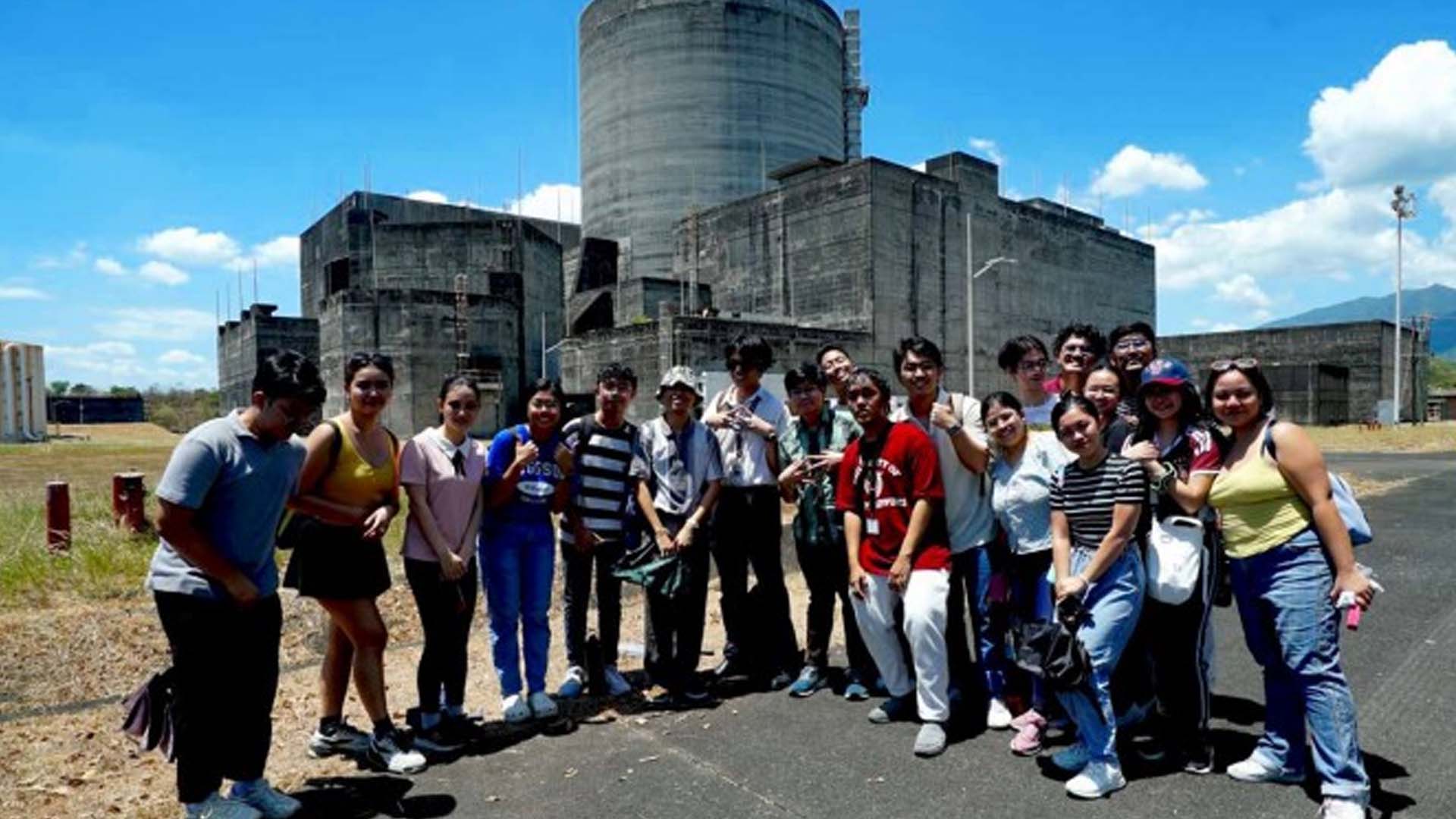
He cited as an example the Bataan Nuclear Power Plant which was built in the 1980s.
“There are power plants in Slovenia, South Korea and Brazil that were also built during the 80s. They have been operating for 40 years,” he said, adding that those are being relicensed for 20 years.
Arcilla noted that although it is expensive to build a power plant, it could last for about 80 years, making it cheaper in the long run.
“America for example has 94 operating nuclear power plants with an average age of 60 years,” he said.
Those power plants supply 20 percent of the United States’ energy, Arcilla added.
In terms of environmental concerns, he said nuclear power plants have zero emissions. Nuclear wastes, on the other hand, could be geologically buried at least 650 meters below the ground, wrap with a material called bentonite.
Arcilla said nuclear wastes could be brought to an isolated island and disposed of using borehole technology.
Doing so would make it safe, as if the nuclear waste didn’t exist, he added.
Meanwhile, Arcilla said there are around 700 to 800 nuclear submarines globally and he has not heard of an accident involving those.
“Nuclear power has had a lot of experience and people are not aware of it,” he said. (PNA)